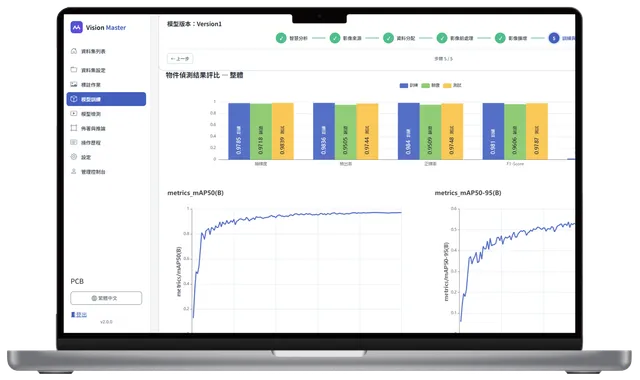
Vision Master
AI-Powered Image Recognition & Inspection
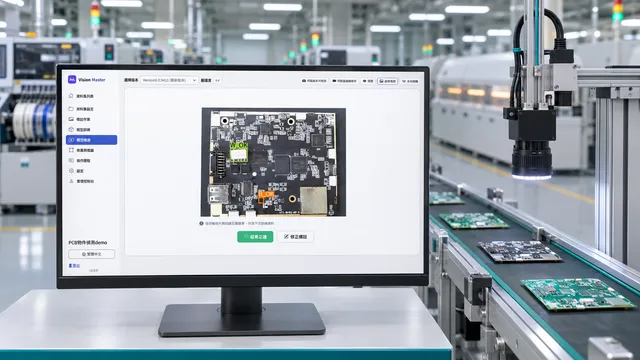
Vision Master supports no-code development of computer vision applications, including image recognition, object detection, and image segmentation.

PRODUCTS
HTI's product portfolio includes no-code AI tools, embedded modules, smart e-bike systems, and facial recognition access control terminals.
AI SOFTWARE
HTI provides a suite of no-code AI tools for image recognition, automated measurement and inspection, data analysis, and knowledge management.
Vision Master
Vision Master supports no-code development of computer vision applications, including image recognition, object detection, and image segmentation.
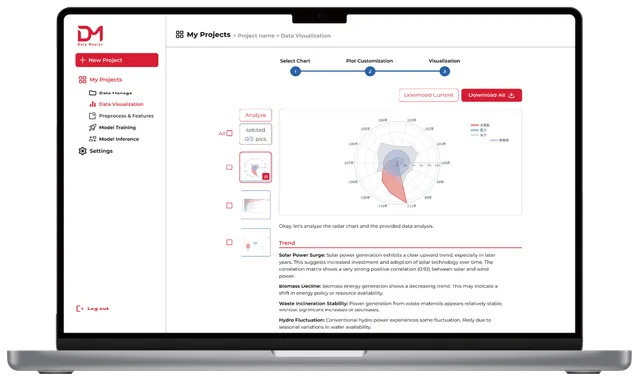
Data Master
Data Master provides tools for data preprocessing, model training, and predictive analytics.
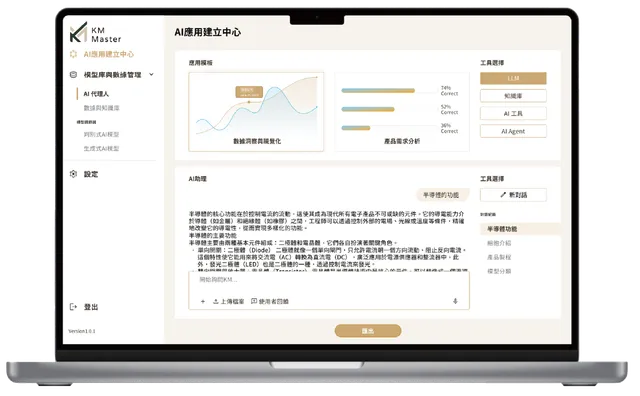
KM Master
KM Master supports knowledge management through AI-powered Q&A, document summarization, and knowledge graphs.
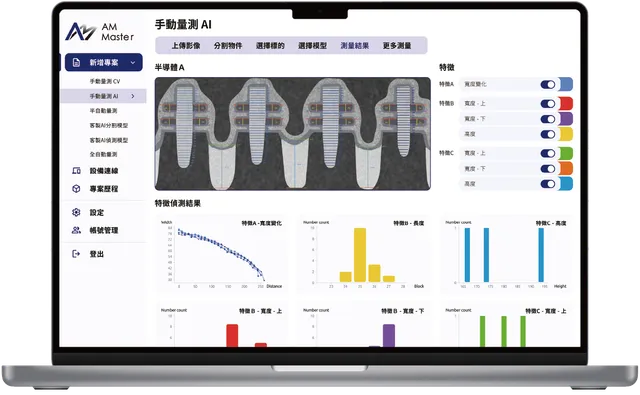
AM Master
AM Master supports automated image-based dimensional measurement and defect detection.
SMART MANUFACTURING
AI vision recognition for non-intrusive automation
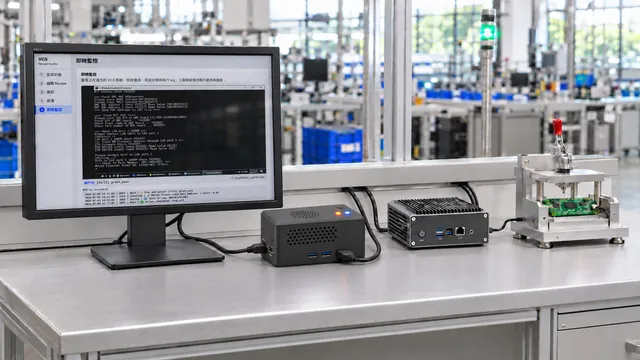
Many production tests require operators to wait for the screen, confirm the status, and press the next key. VCS connects between the test PC and the monitor, reads the screen with AI, and performs the matching action automatically, with no changes to equipment or software. The original monitor keeps displaying as usual, so operators can step in at any time.
ApplicationsSuitable for any process where equipment outputs HDMI video and an operator has to view, confirm, and act, such as ICT, FCT, burn-in, and aging test stations, firmware flashing and image downloads, and legacy or multi-brand equipment without an API.
 Video Input
The test PC's HDMI output feeds into VCS
 AI Status Recognition
Detects testing, PASS, FAIL, and dialog boxes
 Automatic Control
Performs keyboard or mouse actions based on the result
 Video Pass-Through
Sends the video to the original monitor for manual takeover
| Video Input | HDMI (from the test PC) |
|---|---|
| Video Output | HDMI (pass-through to the original monitor) |
| Recognition | AI visual recognition of on-screen status |
| Control Interface | USB, with keyboard and mouse actions issued automatically |
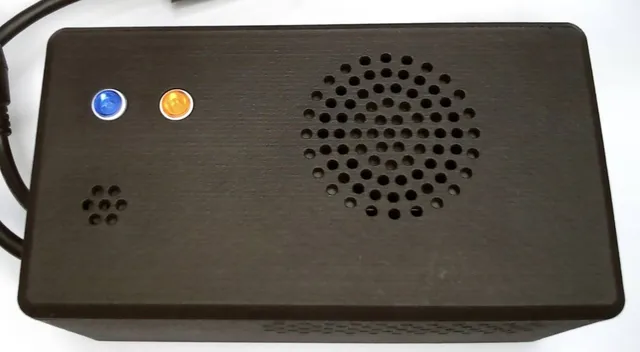
| Status Indicators | Panel LEDs and built-in buzzer |
| Power | External power supply (110–220 V input) |
| Deployment | Connects between the equipment and the monitor, with no rewiring or software changes |
Specifications are subject to the shipping version.
EDGE HARDWARE
SMART MOBILITY
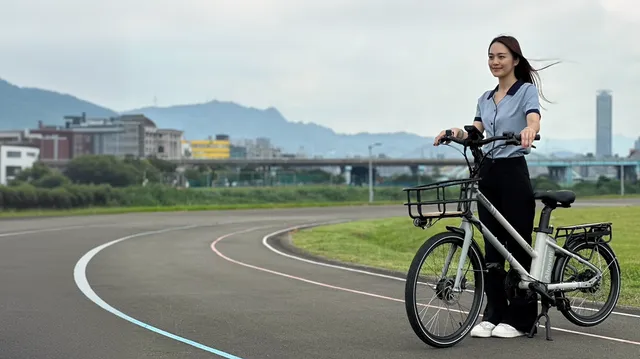
The system integrates an e-bike controller, mobile app, and cloud platform to manage bike status, maintenance records, and riding data.
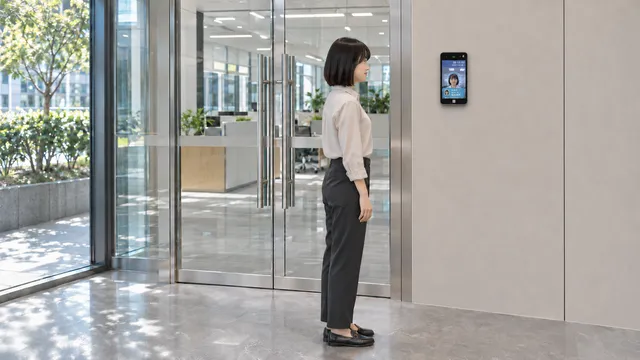
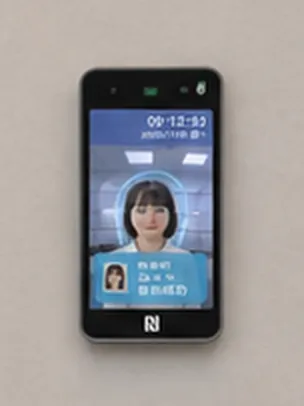
ACCESS CONTROL
 Temperature Measurement
 Mask Detection
 Access Control
 Time and Attendance
| CPU | Quad-core Arm Cortex-A53, 2.0 GHz |
|---|---|
| APU | Tensilica VP6 core |
| Memory | 2 GB RAM; 16 GB storage |
| Display | 8-inch capacitive touchscreen; 800 × 1280 resolution |
| Cameras | 2 MP RGB camera; 2 MP IR camera |
| Temperature Measurement Accuracy | ±0.3 °C |
| Measurement Distance | 0.4–0.8 m |
| Measurement Range | 32–43 °C |
| Dimensions | 229 × 128.2 × 20 mm |
| Power Supply | 12 V DC, 2 A |
| Mounting Options | Wall mount, Type 86 mounting box, or VESA bracket |
| Software Functions | Face database management Facial recognition Mask detection Anti-spoofing |
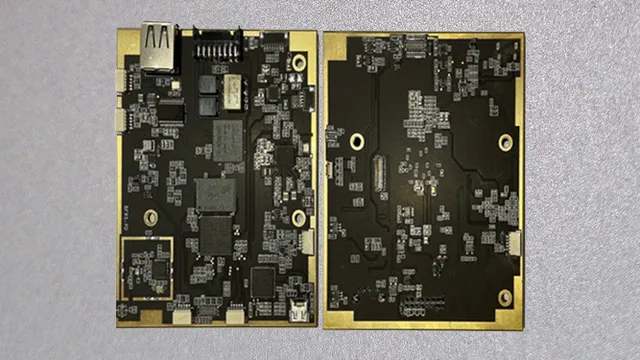
HTI-i350
The HTI-i350 AIoT module combines a MediaTek i350 (MT8365) quad-core processor with dedicated AI acceleration for vision and voice applications. It supports the development of smart home devices, retail vending machines, facial recognition access control systems, and production line fixtures.
Peripheral interfaces support connections to displays, cameras, sensors, and other components. With support for 12 V DC or battery power, the module can be integrated into both fixed and portable devices.
| Dimensions | 93.98 × 78.74 mm |
|---|---|
| Chip | CPU: MT8365 (i350) PMIC: MT6357 Sensors: proximity and ambient light 3-axis accelerometer |
| Other Information | Power supply: 12 V DC or lithium battery RTC Battery OS: Android 10.0 Memory: 2 GB LPDDR4 Storage: 16 GB eMMC 5.1 |
| Display Interface | MIPI(LVDS): max. resolution 4-Lane, 1920*1200 Micro-HDMI |
|---|---|
| Camera Interface | 2-lane MIPI CSI 8-bit camera parallel interface (CPI); pixel clock up to 93.75 MHz USB UVC Camera |
| Network Interface | Wi-Fi: 2.4/5 GHz, IEEE 802.11a/b/g/n/ac Wireless communication technology RJ45 Ethernet via an additional USB module |
| Audio Interfaces | Digital-MIC*2 Analog-MIC*1 SPK-AMP*2 |
| Communication Interface | Relay switch(NO/NC/COM), rating: 12V/1A Wiegand: 26-bit/34-bit, 5 V PWM output: 1.8 V |
| Development and Debug Interfaces | UART*2 (1.8V or 3.3V) UART*1 (1.8V) I2C*4 (1.8V) USB host: Type-A receptacle USB OTG: Micro-USB connector JTAG (1.8V) GPIO (1.8V) |
CONTACT US
For product information, technical consultation, or system integration inquiries, contact HTI using the form below.